
 Алгебра
 Английский
 Биология
 География
 Геометрия
 История
 Русский
 Обществознание
 Физика
 Химия
Химия Информатика
 Литература
 Математика
Вопрос:
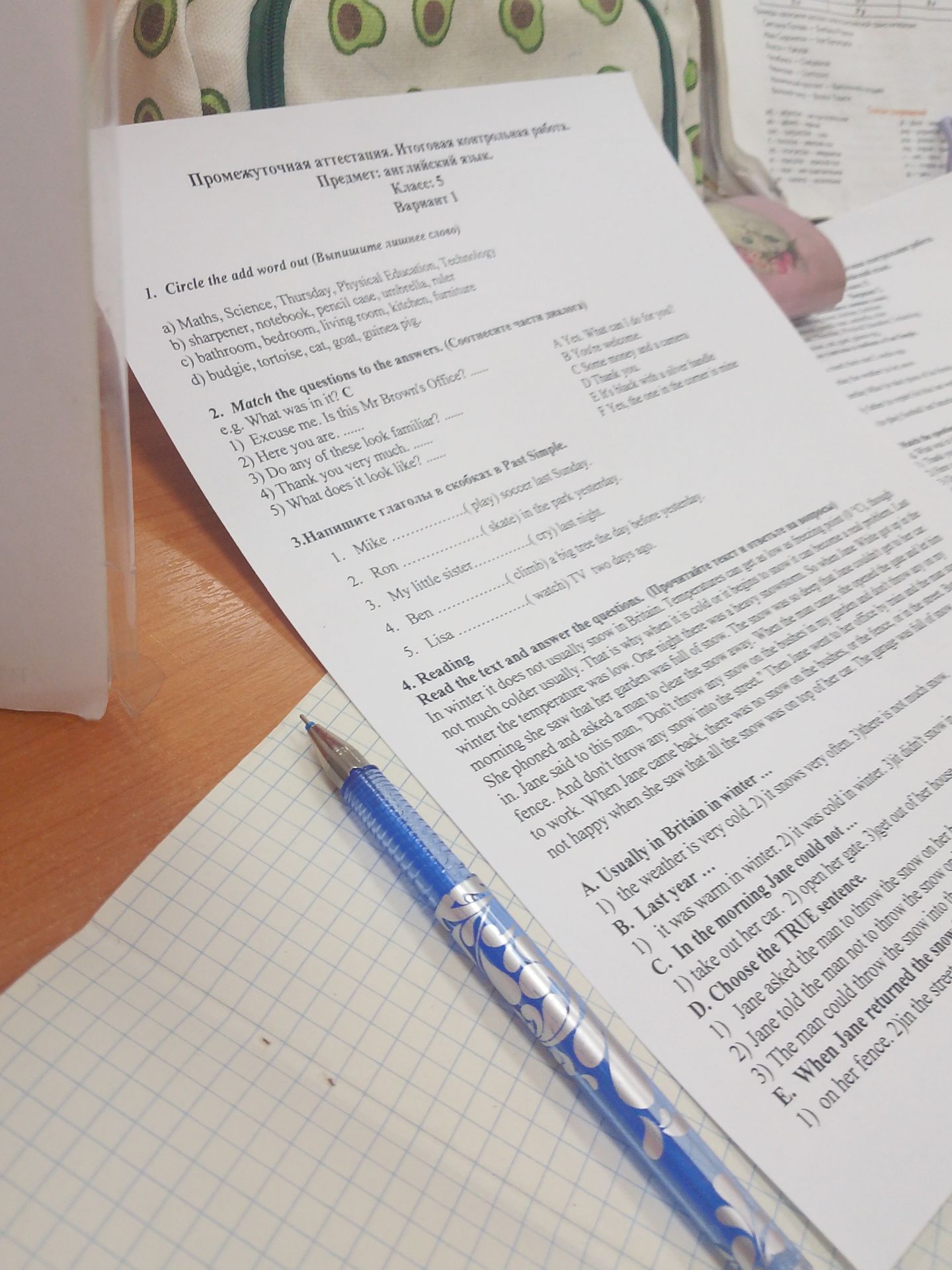
4. Reading Read the text and answer the questions. (Прочитайте текст и ответьте на вопросы) In winter it does not usually snow in Britain. Temperatures can get as low as freezing point (°C), though not much colder usually. That is why when it is cold or it begins to snow it can become a real problem. Lat winter the temperature was low. One night there was a heavy snowstorm. So when Jane White got up in he morning she saw that her garden was full of snow. The snow was so deep that lane couldn't get to her ar She phoned and asked a man to clear the snow away. When the man came, she opened the gute and let him in. Jane said to this man, "Don't throw any snow on the bushes in my garden and don't throw any on my fence. And don't throw any snow into the street." Then Jane went to her office by train and the man t to work. When Jane came back, there was no snow on the bushes, or the fence, or in the street. B not happy when she saw that all the snow was on top of her car. The garage was full of snow, A. Usually in Britain in winter... 1) the weather is very cold. 2) it snows very often. 3) there is not much snow. B. Last year ... 1) it was warm in winter. 2) it was cold in winter. 3)it didn't snow in C. In the morning Jane could not ... 1) take out her car. 2) open her gate. 3)get out of her house D. Choose the TRUE sentence. 1) Jane asked the man to throw the snow on her 2) Jane told the man not to throw the snow o 3) The man could throw the snow into th E. When Jane returned the snow 1) on her fence. 2)in the stree
Ответ:
Ответ (EN)
A. Usually in Britain in winter...
- 3) there is not much snow. (В тексте сказано: "In winter it does not usually snow in Britain.")
B. Last year ...
- 1) it was warm in winter. (В тексте сказано: "the temperature was low", но это относится к "Last winter", а не "Last year" в целом. Однако, учитывая контекст других вариантов, этот наиболее вероятен, если предположить, что "Last winter" является примером "Last year".)
- 2) it was cold in winter. (В тексте упоминается, что "the temperature was low" и была "heavy snowstorm" прошлым зимой.)
- 3) it didn't snow in winter. (Это противоречит тексту.)
C. In the morning Jane could not ...
- 1) take out her car. (В тексте сказано: "The garage was full of snow", что мешало ей.)
- 2) open her gate. (В тексте сказано: "she opened the gate and let him in.", значит, она могла открыть.)
- 3) get out of her house. (В тексте сказано: "she saw that her garden was full of snow.", но не сказано, что она не могла выйти.)
D. Choose the TRUE sentence.
- Jane asked the man to throw the snow on her. (В тексте: "Don't throw any snow on the bushes...")
- Jane told the man not to throw the snow o. (В тексте: "Don't throw any snow on the bushes in my garden and don't throw any on my fence. And don't throw any snow into the street.")
- The man could throw the snow into th. (Это противоречит просьбе Джейн.)
E. When Jane returned the snow
- on her fence. (В тексте сказано: "there was no snow on the bushes, or the fence, or in the street.")
- in the street. (В тексте сказано: "there was no snow ... in the street.")
Примечание: Ответы на пункты B и E требуют некоторого толкования, так как текст может быть неоднозначным. Выбраны наиболее вероятные варианты.
Перевод (RU)
A. Обычно в Британии зимой...
- 3) снега не так много. (В тексте сказано: "В Британии обычно не идет снег зимой.")
B. В прошлом году...
- 1) зимой было тепло. (В тексте сказано: "Температура была низкой", но это относится к "прошлой зимой", а не к "прошлому году" в целом. Однако, учитывая контекст других вариантов, этот наиболее вероятен, если предположить, что "прошлая зима" является примером "прошлого года".)
- 2) зимой было холодно. (В тексте упоминается, что "температура была низкой" и была "сильная метель" прошлой зимой.)
- 3) зимой не было снега. (Это противоречит тексту.)
C. Утром Джейн не могла...
- 1) выехать на машине. (В тексте сказано: "Гараж был полон снега", что ей мешало.)
- 2) открыть свои ворота. (В тексте сказано: "она открыла ворота и впустила его.", значит, она могла открыть.)
- 3) выйти из дома. (В тексте сказано: "увидела, что ее сад полон снега.", но не сказано, что она не могла выйти.)
D. Выберите ПРАВИЛЬНОЕ предложение.
- Джейн попросила мужчину бросить снег на... (В тексте: "Не бросайте снег на кусты...")
- Джейн сказала мужчине не бросать снег на. (В тексте: "Не бросайте снег на кусты в моем саду и не бросайте его на мой забор. И не бросайте снег на улицу.")
- Мужчина мог бросить снег на. (Это противоречит просьбе Джейн.)
E. Когда Джейн вернулась, снег был
- на ее заборе. (В тексте сказано: "снега не было на кустах, ни на заборе, ни на улице.")
- на улице. (В тексте сказано: "снега не было ... на улице.")
Похожие
- 1. Circle the add word out (Выпишите лишнее слово) a) Maths, Science, Thursday, Physical Education, Technology b) sharpener, notebook, pencil case, umbrella, ruler c) bathroom, bedroom, living room, kitchen, furniture d) budgie, tortoise, cat, goat, guinea pig.
- 2. Match the questions to the answers. (Соотнесите части диалога) e.g. What was in it? C 1) Excuse me. Is this Mr Brown's Office? 2) Here you are. 3) Do any of these look familiar? 4) Thank you very much. 5) What does it look like?
