
 Алгебра
 Английский
 Биология
 География
 Геометрия
 История
 Русский
 Обществознание
 Физика
 Химия
 Информатика
 Литература
 Математика
Ответ:
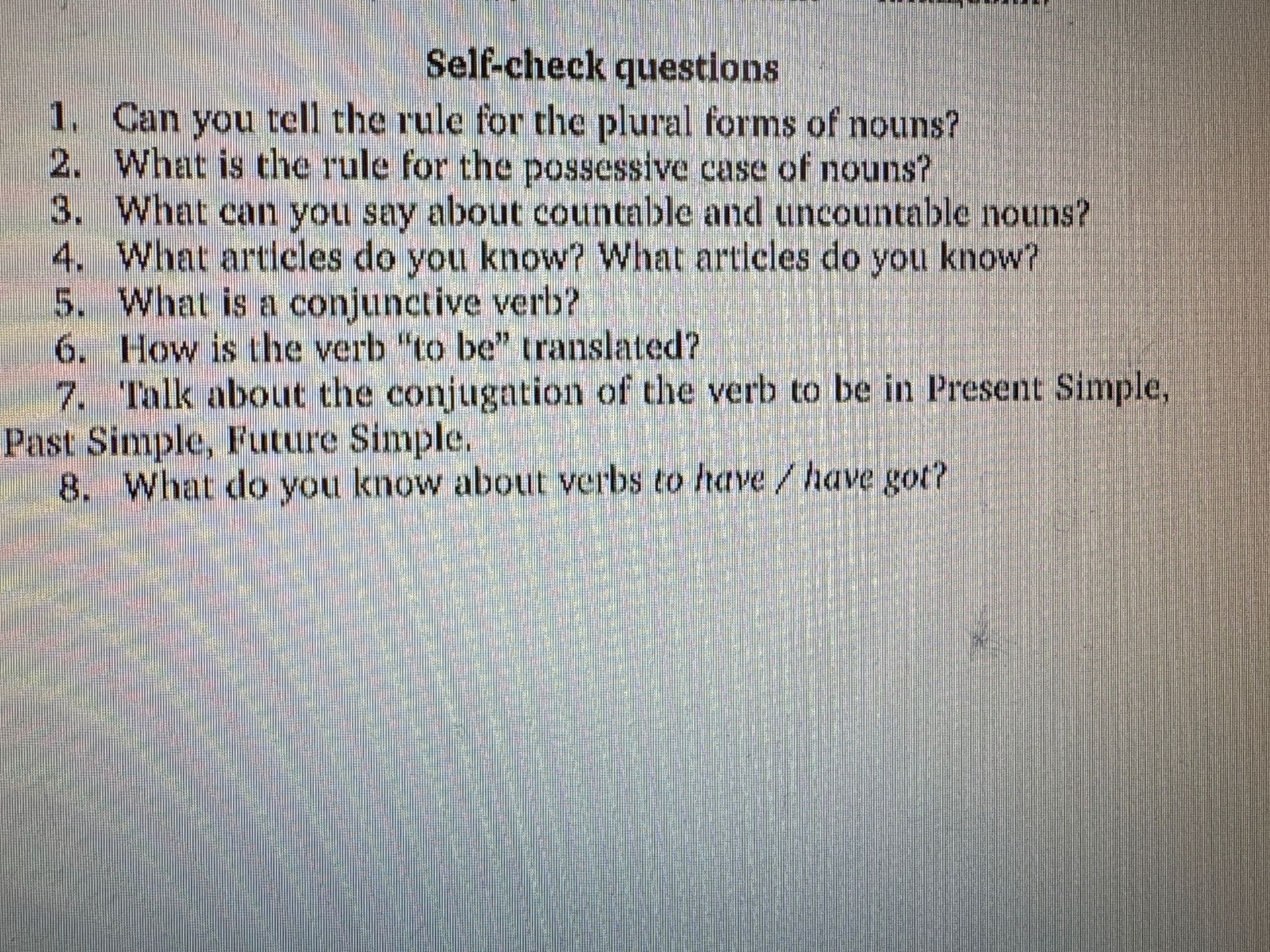
Перевод задания: Что вы знаете о глаголах to have / have got?
English: Have and have got can express possession: I have a bike / I have got a bike. In the Present Simple, use have with I/you/we/they and has with he/she/it. With have got, use have got with I/you/we/they and has got with he/she/it. Questions and negatives are commonly formed with do/does for have (Do you have…? She doesn’t have…) and by moving have/has before the subject or adding not for have got (Have you got…? He hasn’t got…). Have got is mainly used in the present and is especially common in British English.
Русский перевод: Have и have got могут обозначать обладание: I have a bike / I have got a bike (У меня есть велосипед). В Present Simple с I/you/we/they используют have, а с he/she/it — has. В конструкции have got употребляют have got с I/you/we/they и has got с he/she/it. Вопросы и отрицания с have обычно образуют с помощью do/does (Do you have…? — «У тебя есть…?»; She doesn’t have… — «У неё нет…»), а с have got выносят have/has перед подлежащим или добавляют not (Have you got…? — «У тебя есть…?»; He hasn’t got… — «У него нет…»). Have got употребляется главным образом в настоящем времени и особенно распространено в британском английском.
