 Алгебра
 Английский
 Биология
 География
 Геометрия
 История
 Русский
 Обществознание
 Физика
 Химия
Химия Информатика
 Литература
 Математика
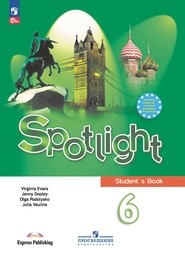
Решебник по английскому языку 6 класс. spotlight: student's book Ваулина ФГОС | Страница 67

Страница 67
- 4. а) Прочитайте рамочку. Затем запишите глаголы, которые выражают действие в прошлом в тексте.
- b) Какие правила написания мы используем для окончаний –ed у правильных глаголов прошедшего времени? Посмотрите на список, который вы сделали в упражнении 4 и скажите.
- 5. Перепишите предложения, используя слова в скобках.
- 6. а) Запишите глаголы в прошедшем простом времени в правильную категорию. Послушайте и повторите их.
- b) Используйте глаголы в прошедшем времени, чтобы составить предложения о себе.
- 7. Перечислите вещи, которые были или не были в Минеральном Парке в 1871 году. Используйте свой список, чтобы рассказать партнеру о том, что там было, а чего – не было.
- 8. Работа в парах. Представьте, что вы берете интервью у человека, который жил в Минеральном Парке. Используйте подсказки, чтобы задать вопросы и ответить на них.
- 9. Послушайте и повторите. Можете ли назвать еще несколько слов, имеющих похожее произношение?
- 10. Соберите информацию, используя интернет, затем напишите короткий параграф о том, каким был ваш город 100 лет назад.
Грамматика
Простое прошедшее время (Правильные глаголы)
4. а) Прочитайте рамочку. Затем запишите глаголы, которые выражают действие в прошлом в тексте.
Lived, travelled, worked, liked, stopped, started, moved, closed, tried
Добавить текст Вернуть оригиналb) Какие правила написания мы используем для окончаний –ed у правильных глаголов прошедшего времени? Посмотрите на список, который вы сделали в упражнении 4 и скажите.
1. We add –ed to the infinitive of the verb. (Мы добавляем –ed к инфинитиву глагола.)
Добавить текст Вернуть оригиналLive – lived, work – worked, start – started
Добавить текст Вернуть оригинал2. If the infinitive of the verb ends on –e or –ee, we add only –d. (Если инфинитив заканчивается на –е или –ее, то мы добавляем только –d.)
Добавить текст Вернуть оригиналMove – moved, close – closed
3. If the infinitive of the verb ends on –y, then –y changes into –i. (Если инфинитив заканчивается на –у, тогда –у становится –i.)
Добавить текст Вернуть оригиналTry – tried
But Stay – stayed, play – played (Because there is a vowel before –y) (Потому что перед –у есть гласная)
Добавить текст Вернуть оригинал4. If the infinitive of the verb ends on one consonant and there is a vowel before this consonant, then this last consonant changes into 2 consonants. (Если инфинитив заканчивается на согласную, а перед согласной есть гласная, то последняя согласная удваивается.)
Добавить текст Вернуть оригиналStop – stopped
5. Перепишите предложения, используя слова в скобках.
1. Sharon moved to San Francisco last month. – Шэрон переехала в Сан-Франциско в прошлом месяце.
Добавить текст Вернуть оригинал2. The town was busy 50 years ago. – Город был шумным 50 лет назад.
Добавить текст Вернуть оригинал3. His father worked in a mine in 1995. – Его отец работал в шахте в 1995 году.
Добавить текст Вернуть оригинал4. She visited her grandma yesterday. – Она навестила свою бабушку вчера.
Добавить текст Вернуть оригинал
6. а) Запишите глаголы в прошедшем простом времени в правильную категорию. Послушайте и повторите их.
[Id] – wanted, visited
[t] – cooked, watched, worked, washed
[d] – opened, cleaned, played, travelled, listened, carried
Добавить текст Вернуть оригиналb) Используйте глаголы в прошедшем времени, чтобы составить предложения о себе.
Пример: Я смотрел телевизор вчера.
Я не играл в теннис в прошлые выходные, не так ли?
Добавить текст Вернуть оригиналI listened to music last night. – Я слушал музыку прошлой ночью.
Добавить текст Вернуть оригиналI cooked a cake yesterday. – Я приготовил пирог вчера.
Добавить текст Вернуть оригиналI visited my grandma last weekend. – Я навестил свою бабушку на прошлых выходных.
Добавить текст Вернуть оригиналI travelled abroad last summer. – Я ездил за границу прошлым летом.
Добавить текст Вернуть оригиналI cleaned my room yesterday afternoon. – Я убрал свою комнату вчера днем.
Добавить текст Вернуть оригинал
7. Перечислите вещи, которые были или не были в Минеральном Парке в 1871 году. Используйте свой список, чтобы рассказать партнеру о том, что там было, а чего – не было.
Пример: в городе было много магазинов.
There was a school, a doctor’s, a hotel, a restaurant and even a weekly newspaper.
Добавить текст Вернуть оригиналThere weren’t any cars.
There was a railway station.
There were 700 people.
There were the mines.
Говорение
8. Работа в парах. Представьте, что вы берете интервью у человека, который жил в Минеральном Парке. Используйте подсказки, чтобы задать вопросы и ответить на них.
- Люди работали в шахтах, не так ли?
- Да.
- Did people move to the other towns after 1887? – Переехали ли люди в другие города после 1887 года?
Добавить текст Вернуть оригинал- Yes, they did. – Да.
- Did people travel by cars? – Люди передвигались на автомобилях?
Добавить текст Вернуть оригинал- No, they didn’t. They travelled by train and on horses. – Нет. Они ездили на поездах и лошадях.
Добавить текст Вернуть оригинал- Did people live in blocks of flats? – Люди жили в многоквартирных домах?
Добавить текст Вернуть оригинал- No, they didn’t. – Нет.
Произношение
9. Послушайте и повторите. Можете ли назвать еще несколько слов, имеющих похожее произношение?
- Где ты родился? (Откуда ты родом?)
[weə] – wear – носить
[wɜː] – werewolf – оборотень
Письмо (описание места)
10. Соберите информацию, используя интернет, затем напишите короткий параграф о том, каким был ваш город 100 лет назад.
In 1917, Saint-Petersburg was called Petrograd. The town was quiet and the streets were clean. There were not so many cars, but there were trams. The women wore dresses and the men wore formal suits. There were many shops and restaurants for the wealthy people. The poor people usually worked in the factories.
Добавить текст Вернуть оригиналВ 1917 году, Санкт-Петербург назывался Петроградом. Город был спокойным, а улицы были чистыми. Машин было не так много, но были трамваи. Женщины носили платья, а мужчины строгие костюмы. Для богатых людей было множество магазинов и ресторанов. Простые люди обычно работали на заводах.
Добавить текст Вернуть оригинал