
 Алгебра
 Английский
 Биология
 География
 Геометрия
 История
 Русский
 Обществознание
 Физика
 Химия
 Информатика
 Литература
 Математика
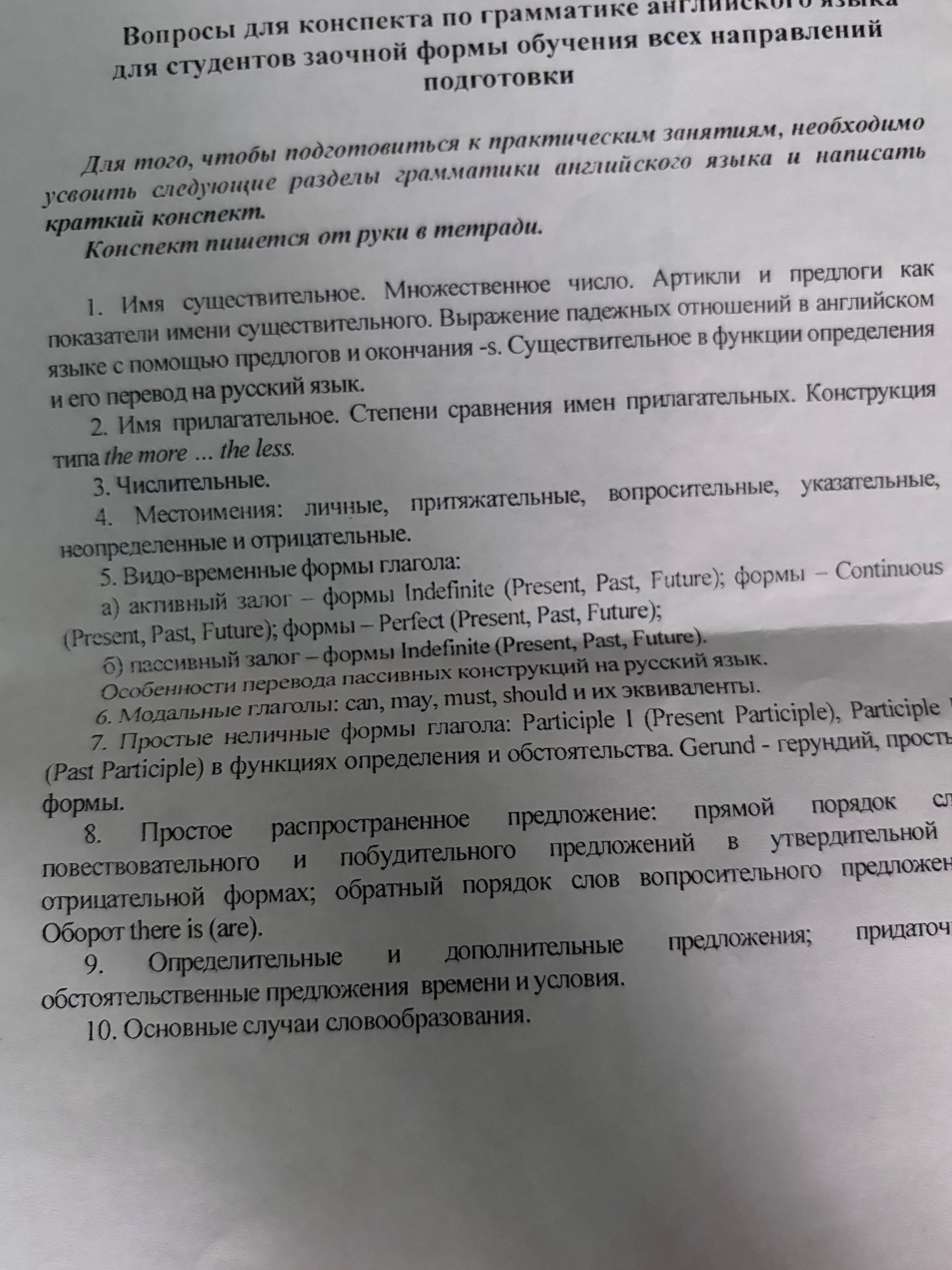
Ответ:
Перевод задания: Write a brief summary of relative and object clauses and adverbial clauses of time and condition.
Relative clauses describe a noun and often begin with who, which, that: The girl who lives next door is my friend. Object clauses act as an object and may begin with that, if, whether or a question word: I know that he is right.
Time clauses begin with words such as when, before, after, until, as soon as. For future meaning, the Present Simple is usually used in the subordinate clause: I will call you when I arrive. Condition clauses often begin with if or unless. In a real future condition, the subordinate clause uses the Present Simple and the main clause may use will: If it rains, we will stay at home.
Перевод ответа: Определительные придаточные описывают существительное и часто начинаются с who, which, that: The girl who lives next door is my friend. — Девушка, которая живёт по соседству, — моя подруга. Дополнительные придаточные выполняют функцию дополнения и могут начинаться с that, if, whether или вопросительного слова: I know that he is right. — Я знаю, что он прав.
Придаточные времени начинаются, например, с when, before, after, until, as soon as — когда, до того как, после того как, пока не, как только. Для будущего значения в придаточной части обычно употребляется Present Simple: I will call you when I arrive. — Я позвоню тебе, когда приеду. Придаточные условия часто начинаются с if или unless — если или если не. В реальном условии, относящемся к будущему, в придаточной части используется Present Simple, а в главной может стоять will: If it rains, we will stay at home. — Если пойдёт дождь, мы останемся дома.
